


From Charge to Second Life | Can Electric Vehicle Batteries Be Recycled ?
Electric vehicles are transforming transportation across Toronto and the Greater Toronto Area. As EV adoption increases, many drivers are asking an important question. Can electric vehicle batteries be recycled?
The answer is yes. EV batteries can be recycled, and modern battery technology is designed with recovery and sustainability in mind. However, recycling is only one part of the story. The way you care for your electric vehicle throughout ownership directly impacts battery lifespan, resale value, and environmental responsibility.
Understanding the full electric vehicle battery lifecycle from daily driving to second life applications and final recycling reveals why professional vehicle protection plays an important role in maximizing both sustainability and long term value.
What Is Inside an Electric Vehicle Battery
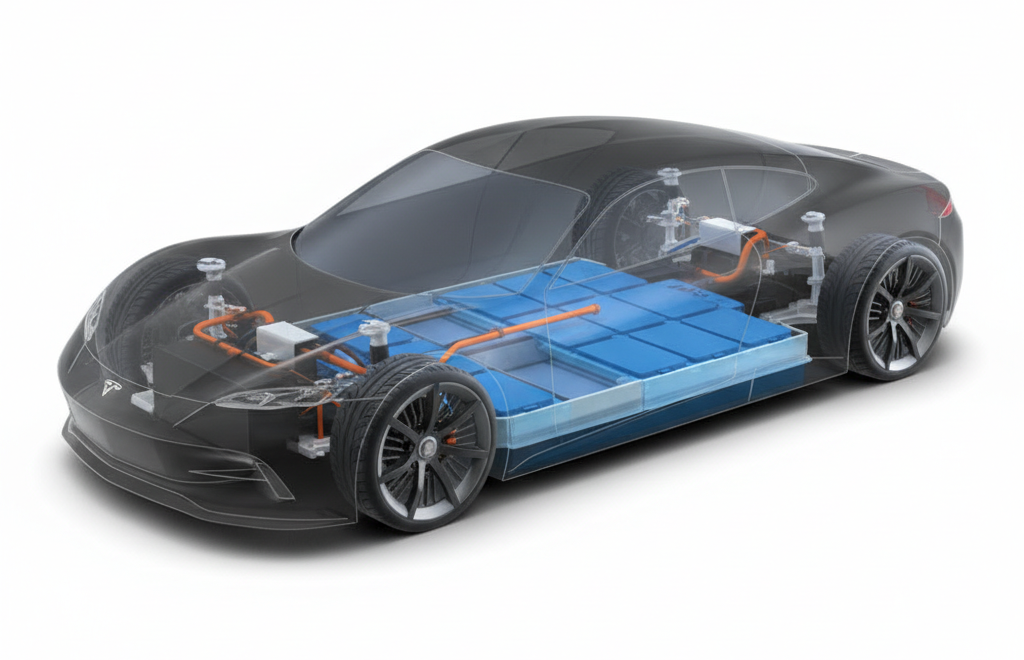
Most electric vehicles use lithium ion battery packs that contain valuable materials such as lithium, nickel, cobalt, manganese, copper, and aluminum. These materials are expensive to mine and refine, which is why battery recycling has become such a major focus in the automotive industry.
Modern recycling processes can recover up to ninety percent or more of these valuable materials. Recovered metals are then reused in manufacturing new batteries, reducing the need for raw mining and lowering environmental impact.
While recycling is important, extending battery life before recycling is even more beneficial for sustainability.
Why Battery Longevity Matters Before Recycling
Electric vehicle batteries naturally degrade over time. Factors that influence degradation include charge cycles, high temperatures, extreme cold, and overall thermal stress.
Toronto presents unique challenges for EV owners. Summer heat increases battery strain, while winter cold reduces efficiency and places additional stress during charging. Proper vehicle care can help reduce these stress factors and support battery longevity.
Extending battery life means fewer replacements, lower environmental impact, and higher resale value.
How Professional Vehicle Protection Supports Battery Health
Heat Management Through Exterior Protection
Heat is one of the biggest contributors to battery degradation. When your vehicle absorbs intense sunlight during Toronto summers, cabin and surface temperatures rise dramatically. This increases demand on the battery cooling system and can accelerate wear.
Professional ceramic coating services available at https://leftlanecustoms.com/ceramic-coating/ help reduce surface heat absorption. High quality ceramic coatings create reflective and hydrophobic surfaces that minimize heat retention while protecting paint. Lower surface temperatures reduce stress on cooling systems and help maintain battery efficiency.
Window Tinting Reduces Energy Demand
Air conditioning systems consume significant power in electric vehicles. During hot weather, cooling the cabin can reduce driving range considerably.
Professional window tinting services at https://leftlanecustoms.com/window-tinting/ using advanced ceramic films help block infrared heat and ultraviolet radiation. This keeps interior temperatures lower, reduces air conditioning load, and supports improved battery performance. Lower energy demand means fewer heavy discharge cycles over time.
Aerodynamics and Surface Efficiency
Electric vehicle efficiency depends heavily on aerodynamics. Surface contamination, paint damage, and rough finishes increase drag and reduce range.
Installing paint protection film from https://leftlanecustoms.com/paint-protection-film/ helps preserve smooth factory finishes and prevent damage from road debris, salt, and construction particles common throughout Toronto. A smoother exterior supports better airflow and improved energy efficiency.
Better efficiency means fewer charging cycles across the lifespan of the vehicle, which supports longer battery life.
Professional Cleaning and Undercarriage Care
Electric vehicle battery packs are mounted underneath the vehicle, making undercarriage protection especially important in Ontario where road salt is heavily used during winter.
Routine professional detailing services at https://leftlanecustoms.com/auto-detailing/ ensure thorough cleaning of the undercarriage and removal of salt buildup and debris. Keeping the vehicle clean helps maintain structural integrity and protects battery housing components over time.
The Second Life of Electric Vehicle Batteries
Before recycling, many EV batteries enter second life applications. When a battery reaches around seventy to eighty percent of its original capacity, it may no longer meet automotive performance standards. However, it can still function effectively for stationary energy storage.
Second life uses include home energy storage systems, solar power backup, and grid support solutions. A well maintained battery often holds greater value in this market.
Proper vehicle care and temperature management during ownership can improve battery condition and potentially increase its value in second life applications.
How Electric Vehicle Battery Recycling Works
When a battery reaches the end of its usable life, it enters specialized recycling facilities. These facilities use advanced methods to recover valuable materials.
Hydrometallurgical processing uses chemical solutions to separate lithium, cobalt, nickel, and other materials at high recovery rates.
Pyrometallurgical processing uses high temperature smelting to extract metals.
New direct recycling technologies aim to preserve battery materials more efficiently for reuse in future battery production.
Canada continues to invest in battery recycling infrastructure, making electric vehicle ownership increasingly circular and environmentally responsible.
Sustainability Begins with Proper Care
Recycling is important, but sustainability starts from the first day of ownership.
Professional protection services help
Reduce premature degradation
Extend battery lifespan
Improve energy efficiency
Maintain resale value
Delay costly battery replacement
Support second life opportunities
Battery replacement costs can be significant. Extending battery health through proper thermal management and professional protection strategies improves long term ownership economics.
Why Toronto EV Owners Should Think Long Term
Toronto’s climate creates demanding conditions for electric vehicles. Summer heat and winter salt exposure can accelerate wear if not properly managed.
Electric vehicle owners who invest in ceramic coating, paint protection film, window tinting, and professional detailing are protecting more than just appearance. They are protecting battery efficiency, performance, and long term value.
As EV adoption continues to grow across the Greater Toronto Area, proactive protection separates informed ownership from reactive repairs.
Final Thoughts Can Electric Vehicle Batteries Be Recycled
Yes, electric vehicle batteries can be recycled. However, recycling should be the final stage of a long and productive lifecycle.
The most sustainable strategy is maximizing battery lifespan through intelligent vehicle care and professional protection.
By reducing thermal stress, improving efficiency, preventing corrosion, and maintaining aerodynamic performance, Toronto EV owners can extend battery life, increase resale value, and reduce environmental impact.
At Left Lane Customs, comprehensive EV protection services help electric vehicle owners protect their investment while supporting long term sustainability.
Because true sustainability begins with how you care for your vehicle every single day.
Visit us on Facebook at our Facebook Link and our Instagram Link. Left Lane Customs Inc.