


The $1,000 Habit That Saves You $10,000: How Regular Detailing Extends the Life of Your Vehicle
Most drivers think of detailing as a treat — something you do before selling the car or after a particularly messy winter. But here’s the reframe worth making: detailing isn’t cosmetic. It’s preventive maintenance for every surface your mechanic never touches.
Your engine gets oil changes. Your brakes get inspections. Meanwhile, your paint, upholstery, trim, and undercarriage — the parts that determine what your car is worth and how long it looks and feels worth driving — often get nothing but rain and the occasional drive-through wash. In a climate like Toronto’s, that neglect has a price tag. Let’s break down exactly how regular detailing pays you back.
Your Clear Coat Is Fighting a Losing Battle Without Help
The glossy layer on top of your paint — the clear coat — is your car’s first and most important line of defence. And it’s under constant attack: UV radiation, acid rain, bird droppings, tree sap, brake dust, and six months of road salt every single year.
Here’s the part most owners don’t realize: contaminants don’t sit on your paint. They bond into it. Iron particles from brake dust embed themselves and begin oxidizing. Bird droppings are acidic enough to etch permanent marks in days, especially in summer heat. Once the clear coat fails, oxidation reaches the paint itself — and at that point you’re not booking a detail, you’re pricing a respray that can run thousands of dollars.
Regular decontamination — proper washing, clay bar treatment, and protective sealants — interrupts that cycle before damage becomes permanent. It’s the difference between paint that lasts 8 years and paint that lasts 20. And if you want to upgrade that defence from “renewed every few months” to “locked in for years,” a professional-grade IGL ceramic coating creates a hardened, hydrophobic barrier that shrugs off salt, UV, and chemical etching far better than any wax.
Rust Doesn’t Start Where You Can See It
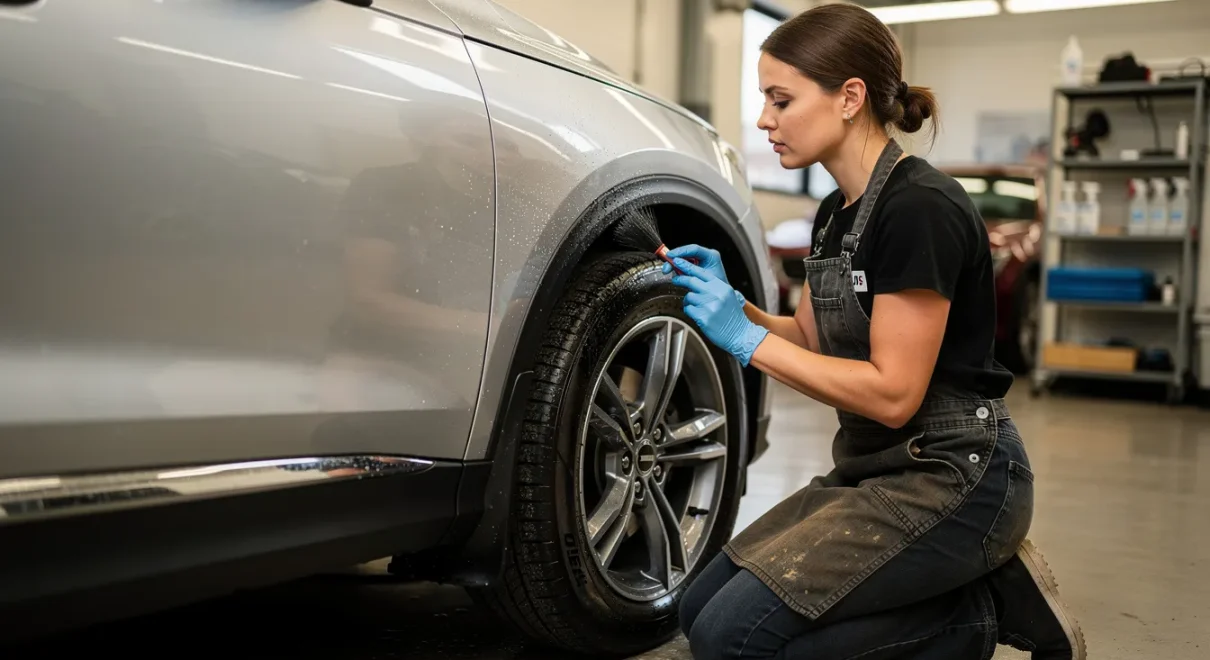
Toronto’s road salt is brutally effective at melting ice — and equally effective at corroding steel. The dangerous part is where it accumulates: wheel wells, rocker panels, door seams, and the undercarriage. These are exactly the areas a quick rinse never properly reaches.
Corrosion that starts in a hidden seam spreads quietly until it surfaces as bubbling paint — and by then, the structural damage is done. Rust repair is among the most expensive cosmetic fixes in the industry, and severe corrosion can even affect safety and roadworthiness.
A thorough detail includes the areas you can’t see: wheel wells flushed out, salt residue neutralized, and vulnerable zones protected. Two or three deep cleans per year — especially one immediately after salt season — is genuinely one of the highest-ROI habits a GTA driver can build. It belongs on the same seasonal rhythm as the checks in our guide to 8 things every driver should check before summer hits.
Your Interior Is Wearing Out Faster Than You Think
Every time you slide into your seat with grit on your clothes, or grind winter slush into the carpet, you’re sanding your interior — literally. Dirt particles are abrasive. Left in fabric and leather, they cut fibres and crack surfaces with every movement.
Add UV exposure drying out leather and plastics, spills feeding bacteria and odours, and Canadian humidity swings, and an untreated interior can look a decade old in four years. Replacing worn leather seats can cost more than years of professional interior detailing combined.
Regular interior detailing — deep extraction of abrasive grit, conditioning of leather and trim, steam sanitizing of touchpoints — keeps materials supple and intact instead of letting them slowly self-destruct. The same logic applies to overlooked exterior components too: hazy, oxidized headlight lenses age a car instantly and cut your night visibility dramatically, something we broke down in why headlight maintenance actually matters.
The Resale Math Makes This a No-Brainer
When it’s time to sell or trade in, two identical cars with identical mileage can differ by thousands of dollars based on condition alone. Appraisers and private buyers judge in the first thirty seconds: paint gloss, interior smell, seat condition, trim quality.
Consider the honest math. A consistent detailing routine might cost you a few hundred dollars a year. Over five years of ownership, that investment routinely returns more at resale — while giving you a nicer car to drive the entire time. Neglect, on the other hand, compounds: faded paint, permanent stains, corroded panels, and a “needs TLC” listing price.
Detailing is one of the very few maintenance expenses you get to enjoy every single day before it pays you back at sale time.
What a Longevity-Focused Detailing Routine Looks Like
For typical Toronto driving, here’s the schedule we recommend to clients:
- Post-winter full detail (April/May): complete decontamination, salt removal, paint correction as needed, fresh protection
- Pre-winter protective detail (October/November): sealant or coating top-up, interior deep clean before slush season
- Quarterly interior refresh: especially for commuters, families, and pet owners
- Proper maintenance washes every 2–3 weeks: hand wash technique that cleans without inflicting swirl marks
Every vehicle and driving pattern is different — a leased daily driver, a family SUV, and a garaged weekend car all need different plans. That’s why our professional detailing services start with an honest assessment of what your vehicle actually needs, not a one-size-fits-all package.
The Bottom Line
Cars don’t age on a fixed schedule — they age based on how they’re treated. Regular detailing protects the surfaces that determine your vehicle’s lifespan, your daily driving experience, and its final value. Skip it, and Toronto’s climate makes the decision for you.
Treat detailing like the maintenance it is, and your car will stay newer, longer — inside, outside, and on the balance sheet.
Visit us on Facebook at our Facebook Link and our Instagram Link. Left Lane Customs Inc.