


Heavy Rain Just Hit Toronto? Do These 7 Things Before You Hydroplane
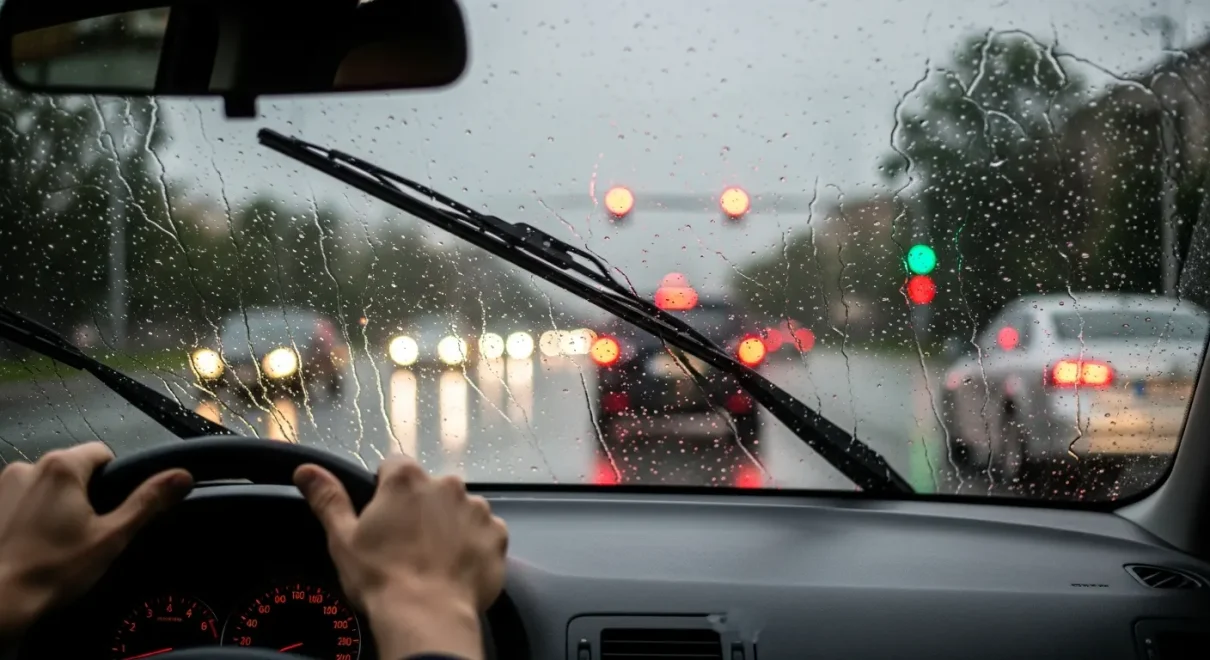
The sky goes dark, the wipers can barely keep up, and suddenly the Gardiner looks more like a river than a highway. Toronto gets its fair share of sudden, heavy downpours — and most collisions during these storms aren’t caused by the rain itself. They’re caused by drivers who don’t adjust anything about how they’re driving.
If you’re behind the wheel when the next heavy rainfall hits, here’s exactly what you should be doing — and why most of it matters more than people realize.
1. Slow Down Before the Water Tells You To
Water doesn’t need to be deep to cause hydroplaning. At highway speeds, as little as a couple of millimetres of standing water can lift your tires just enough to lose contact with the road entirely. Once that happens, steering and braking do almost nothing until the tires reconnect.
The fix isn’t complicated — it’s just underused. Ease off the gas well before you’d normally brake, and give yourself noticeably more space than usual. Ontario’s own driving guidance is blunt about this: drive slowly enough that you can stop within the distance you can actually see ahead of you. In heavy rain, that distance shrinks fast.
2. Turn On Your Actual Headlights — Not Just Daytime Running Lights
This one trips up a lot of drivers. Daytime running lights make you visible from the front, but they don’t activate your tail lights, which means drivers behind you may not see you at all in heavy spray. Under Ontario’s Highway Traffic Act, you’re legally required to turn on full headlights any time visibility drops below 150 metres due to rain, fog, or snow — and a heavy downpour qualifies almost every time.
Skip the high beams, though. In heavy rain, high beams reflect off the water and actually reduce your visibility instead of improving it.
3. Check Your Tread Before the Rain Ever Starts
Tread depth is the single biggest factor in whether your tires can channel water away fast enough to keep grip — and it’s also the thing most drivers never check until something goes wrong. Worn tread can’t clear water the way it’s designed to, which is exactly when hydroplaning risk spikes.
If it’s been a while since you’ve actually looked at your tread depth (not just glanced at the tires), it’s worth reading our breakdown on how long your tires really last and when to replace them. Most Toronto drivers are surprised by how much sooner they should be replacing tires than they think.
4. Don’t Forget Tire Pressure — It Matters Just as Much as Tread
Tread gets all the attention, but tire pressure plays just as big a role in wet-weather grip. Underinflated tires flex more, distort their contact patch, and lose the even pressure across the tread that’s needed to push water aside effectively. Overinflated tires have the opposite problem — a smaller contact patch with less grip overall.
We put together a full guide on how tire air pressure directly impacts your safety on Toronto’s roads — it’s a five-minute check that makes a real difference the next time the sky opens up.
5. Avoid Puddles — Even Small Ones
That puddle stretching across the lane might look harmless, but you have no idea what’s underneath it. Ontario’s driver’s handbook specifically warns that puddles can hide potholes deep enough to damage your suspension or blow out a tire. On top of that, driving through standing water throws spray onto surrounding vehicles and can obscure their vision too.
If you can safely change lanes or straddle a puddle instead of driving straight through it, do it.
6. Brake Early, Brake Gently
Wet roads dramatically increase stopping distance, and slamming the brakes in the rain is one of the fastest ways to trigger a skid. Smooth, early braking gives your tires the best chance to maintain grip instead of losing it all at once.
This is also a good moment to think about the condition of your braking system overall — not just the pads, but the rotors, lines, and fluid that all affect how your car responds when the roads get slick. Our guide on the complete braking system care and protection every Toronto driver needs covers what’s actually worth inspecting before storm season catches you off guard.
7. If You Genuinely Can’t See, Pull Over
There’s a difference between heavy rain and a downpour so intense your wipers can’t keep up at all. If visibility drops to the point where you can’t clearly make out the road or the vehicle ahead, the safest move is to find a safe place to pull completely off the road — not slow to a crawl in a live lane, which just makes you a target for the driver behind you.
Turn on your hazards once you’re safely off the road, not while you’re still driving in traffic.
Bonus: Let Your Dash Cam Do the Worrying For You
Heavy rain doesn’t just increase your own risk — it increases the odds that someone else on the road makes a bad call around you. Sudden lane changes, panic braking, and rear-end collisions all spike during storms, and when something happens, footage is worth more than any argument about who did what.
If you’ve been putting off installing one, our guide on why your car’s camera system is worth more than you think lays out exactly how it protects you when a wet-weather collision isn’t your fault.
The Bottom Line
Heavy rainfall doesn’t have to mean a white-knuckle drive home. Slow down early, put your actual headlights on, give yourself more space, and make sure your tires and brakes are actually ready for it before the next storm rolls through the GTA. Small adjustments behind the wheel — and a little prep before the rain even starts — go a long way toward keeping you and everyone else on the road safe.
Not sure if your tires or brakes are ready for storm season? Book a visit with Left Lane Customs and we’ll check them out before the rain does it for you.
Visit us on Facebook at our Facebook Link and our Instagram Link. Left Lane Customs Inc.