


Autumn Driving in Toronto: 8 Essential Vehicle Checks Before Winter Hits
Toronto doesn’t ease into winter — it arrives. One week you’re driving with the windows cracked, enjoying the fall colours along the Don Valley, and the next you’re scraping frost off the windshield at 7 a.m. Between those two moments is a short window where a few proactive checks can mean the difference between a smooth, safe winter and a season of breakdowns, slippery commutes, and salt-damaged paint.
Here are the 8 checks every Toronto driver should run through this autumn, before the temperature drops and the first snow hits the roads.
1. Tire Tread Depth and Pressure
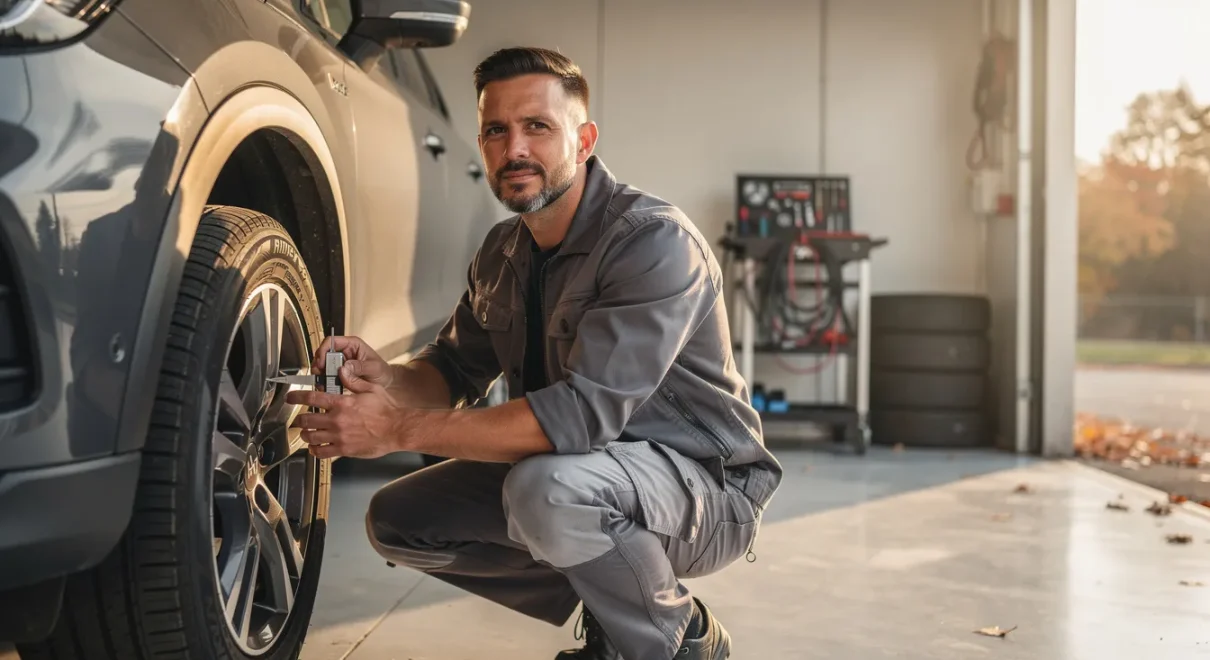
Summer and all-season tires lose grip fast once temperatures drop below 7°C, which is exactly the range Toronto sits in for most of autumn. Check tread depth with a quick coin test, and don’t ignore pressure — cold air causes tires to lose roughly 1 PSI for every 5°C drop, so a tire that read fine in September can be dangerously underinflated by November. If your tread is wearing thin, now is the time to book winter tires rather than waiting until the first snowfall, when every shop in the city is booked solid.
2. Battery Health
More batteries die in the first cold snap than at any other point in the year, because summer heat quietly degrades battery capacity all season long without any visible symptoms. A simple load test at any service shop takes minutes and tells you whether your battery will actually start the car at -15°C, not just today. If your battery is three years or older, get it tested now — not after you’re stranded in a parking lot.
3. Wiper Blades and Washer Fluid
Summer sun dries out and cracks wiper rubber, and most drivers don’t notice until the first autumn rainstorm leaves streaks across the windshield at the worst possible moment. Replace blades proactively, and switch to a winter-rated washer fluid with a lower freeze point before temperatures drop — standard fluid can freeze in the lines on the first cold night, leaving you without a way to clear the windshield.
4. Fluid Levels and Coolant Rating
Check your coolant/antifreeze concentration, not just the level. Coolant that’s been diluted or is past its service interval may not protect against the freezing temperatures Toronto winters bring, which can lead to a cracked block in severe cases. While you’re at it, confirm oil viscosity is still appropriate for the colder weather ahead — some vehicles benefit from a different weight oil in winter months.
5. Brakes
Shorter days and wetter autumn roads mean more emergency stops in reduced visibility. Have your brake pads, rotors, and fluid checked now, while a shop visit is simple — not in December when a brake issue combines with icy roads to create a genuinely dangerous situation.
6. Paint Protection Before Road Salt Season
This is the check most drivers skip — and the one that costs the most to ignore. Toronto begins pre-treating roads with salt brine before the first real snowfall, which means your paint can be exposed to corrosive salt spray well before winter officially starts. Road salt combined with moisture and freeze-thaw cycling is one of the fastest ways to etch and permanently damage unprotected clear coat. We explain exactly how this damage happens in our guide on why your car’s paint fades over time and how ceramic coating protects it.
If your paint isn’t currently protected by a ceramic coating or PPF, autumn is the last practical window to get it done before salt season begins. A ceramic coating creates a chemically resistant barrier that keeps salt and brine from bonding to your paint, while PPF adds physical protection against gravel and road debris kicked up in slushy conditions. Our comparisons — ceramic coating vs. wax: which is better for your car’s protection and PPF vs. ceramic coating: the ultimate guide for Toronto car owners — break down which option (or combination) fits your driving habits and budget.
7. Exterior and Interior Lights
With daylight shrinking fast through October and November, your lights are doing more work than any other point in the year. Check headlights, taillights, brake lights, and turn signals for function and clarity — foggy or yellowed headlight lenses significantly reduce visibility at night and in rain, which is exactly when you need them most.
8. Cabin Air Filter and Heater Function
A clogged cabin air filter restricts airflow and can cause your defroster to underperform right when you need it to clear fog and frost quickly. Test your heater and defrost settings now, on a mild day, rather than discovering a problem on the first freezing morning when you’re already running late.
Don’t Wait for the First Frost
Every one of these checks is faster, cheaper, and far less stressful to handle in October than in December. Shops get backed up, parts take longer to source, and a small issue ignored through autumn often becomes a bigger, more expensive one once real winter conditions set in — especially when it comes to paint and undercarriage protection, where salt damage compounds the longer it’s left untreated.
If you’re due for paint correction, ceramic coating, or a full pre-winter detail, book your appointment now while scheduling is still flexible — book your fall appointment here before the calendar fills up with last-minute winter prep.
Take care of these 8 checks now, and your car will be ready for whatever Toronto’s winter throws at it.
Visit us on Facebook at our Facebook Link and our Instagram Link. Left Lane Customs Inc.