


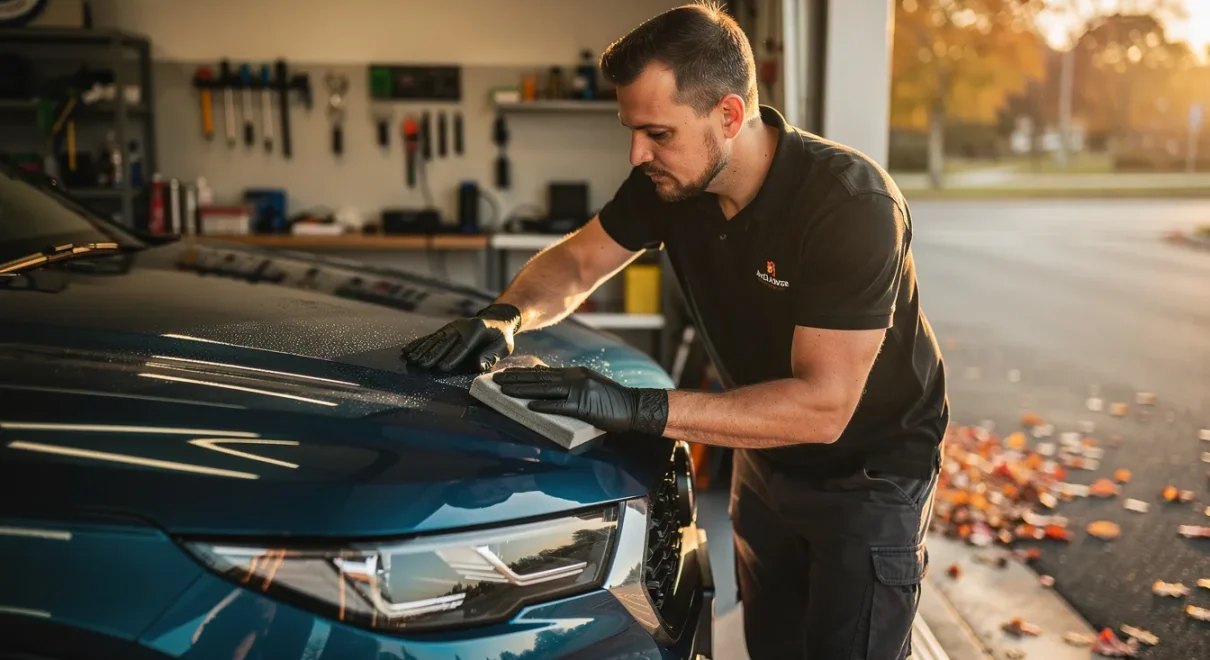
Fall Car Care Checklist: How to Protect Your Vehicle Before Toronto Winter Hits
Autumn in Toronto is deceptively hard on your vehicle. The leaves are pretty, the temperatures are mild, and it’s easy to assume your car can coast through the season untouched. But underneath that calm, autumn is quietly setting the stage for the harshest months your paint, interior, and mechanical systems will face all year. Falling sap, decaying leaves, sudden temperature swings, and the first hints of road salt all show up before winter officially arrives — and by the time snow falls, the damage is already done.
If you want your vehicle looking sharp and running well through the cold months, autumn is the window to act. Here’s exactly what to prioritize.
Why Autumn Is a Critical Season for Vehicle Care
Summer leaves behind a layer of UV damage, bug residue, and oxidation that most drivers never fully address. At the same time, fall introduces new threats: tree sap, acidic leaf debris, and morning dew that sits on paint for hours. Combined, these accelerate clear coat breakdown faster than almost any other season. Municipalities also begin pre-treating roads with brine well before the first snowfall, which means your paint can be exposed to corrosive salt long before winter tires go on. Treating autumn as “downtime” is one of the most common — and costly — mistakes vehicle owners make.
Wash Away Summer’s Damage Before It Sets In
Start with a thorough exterior wash and decontamination. Tree sap, bird droppings, and industrial fallout are acidic and will etch into unprotected paint if left sitting, especially as temperatures fluctuate between warm afternoons and cold nights. A clay bar treatment or chemical decontamination removes bonded contaminants that a regular wash won’t touch, restoring a smooth, protected surface underneath.
This is also the best time to assess how much UV and oxidation damage your paint absorbed over summer. We break down exactly how fading happens and what actually stops it in our guide on why your car’s paint fades over time and how ceramic coating protects it — it’s essential reading before you head into salt season with compromised paint.
Protect Your Paint Before Road Salt Season Begins
Once your paint is clean and corrected, protection is the next priority — and this is the single most important fall car care step for Toronto drivers. Road salt is chemically corrosive and, combined with moisture and freeze-thaw cycles, it can etch and stain unprotected clear coat within a single season. A ceramic coating creates a hydrophobic, chemically resistant barrier that keeps salt, grime, and de-icing brine from bonding to your paint, making winter washes faster and far less damaging.
For high-impact areas like the front bumper, hood, and mirrors, many Toronto drivers pair ceramic coating with paint protection film (PPF) for physical impact resistance against gravel and road debris kicked up in slushy conditions. We compare both options in detail in our full PPF vs. ceramic coating guide for Toronto car owners, which walks through cost, durability, and which combination makes sense for your driving habits.
Ceramic Coating vs. Wax: Which Protection Actually Lasts?
If you’re still relying on traditional wax, autumn is the season that exposes its biggest weakness: wax breaks down quickly under repeated exposure to rain, temperature swings, and road salt — often lasting only a few weeks before reapplication is needed. Ceramic coatings, by contrast, are engineered to hold up for months or years under exactly these conditions. We cover the real differences, including cost-per-year value and maintenance requirements, in ceramic coating vs. wax: which is better for your car’s protection. If you’re prepping for winter and only choosing one upgrade this season, this comparison will tell you exactly where to put your budget.
Check Tires, Wipers, and Fluids for the Temperature Drop
While paint protection is the highest-impact move, don’t skip the mechanical basics:
- Tires: Check tread depth and pressure — cold air drops PSI quickly, and worn tread becomes dangerous fast on wet autumn roads.
- Wiper blades: Replace them now. Summer heat degrades rubber, and you’ll need clear visibility for fall rain and early frost.
- Fluids: Confirm coolant is rated for the temperatures ahead and top off windshield washer fluid with a winter-rated formula.
- Battery: Cold weather is hardest on aging batteries — a quick load test now avoids a dead battery in November.
Don’t Forget the Interior
Wet leaves, mud, and tracked-in debris take a toll on carpets and upholstery just as much as weather takes a toll on paint. A fall interior detail — including fabric or leather protection — makes ongoing cleanup dramatically easier once wet weather becomes the norm, and prevents mildew odor from settling in before winter.
Book a Professional Detail Before the First Frost
Autumn gives you a short, valuable window to reset your vehicle before winter conditions take over. Professional paint correction, ceramic coating, and interior protection done now will pay off every single time you drive through slush, salt spray, or an early snowfall. Explore our full range of protection options on our detailing and protection services page, or go ahead and book your fall appointment before our calendar fills up — availability always tightens once the first frost hits Toronto.
Take care of your car this autumn, and it’ll take care of you all winter long.
Visit us on Facebook at our Facebook Link and our Instagram Link. Left Lane Customs Inc.