


Beyond Brake Pads: The Complete Braking System Care and Protection Guide for Toronto Drivers
Your vehicle’s braking system represents the most critical safety component separating controlled driving from catastrophic accidents, yet most Toronto drivers give it minimal attention until warning signs become impossible to ignore. Toronto’s demanding driving environment—featuring aggressive stop-and-go traffic, steep temperature fluctuations, corrosive road salt, and pothole-riddled roads—creates braking system challenges that exceed those facing drivers in more forgiving climates. Understanding your complete braking system, recognizing warning signs before they become emergencies, and implementing protective strategies that extend component life while maintaining optimal performance empowers informed vehicle ownership that prioritizes safety alongside appearance and value preservation.
Understanding Your Complete Braking System
Modern vehicle braking systems incorporate multiple interconnected components working together to deliver the stopping power that keeps drivers safe. Understanding each component’s role helps recognize developing problems before they compromise safety during Toronto’s demanding driving conditions.
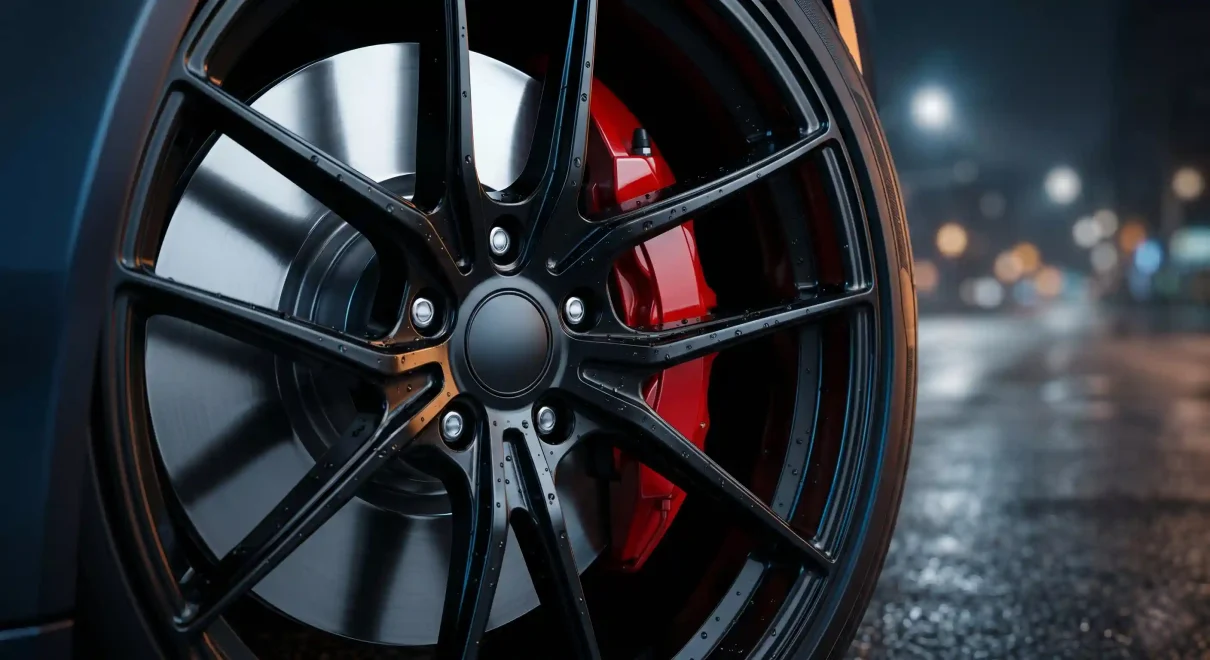
Brake pads apply friction against rotating rotors to slow vehicle momentum, converting kinetic energy into heat. Quality brake pads balance stopping power, wear resistance, and heat management across the temperature ranges that Toronto’s climate creates. Winter conditions create particularly challenging scenarios where cold pads require longer distances to achieve full friction temperatures.
Brake rotors provide the metal surfaces that pads grip during stopping, dissipating heat while maintaining the dimensional stability that consistent braking performance requires. Rotor quality affects braking smoothness, pedal feel, and noise generation that drivers experience during normal operation.
Brake calipers house the hydraulic pistons that press pads against rotors when brake pedal pressure creates hydraulic force throughout the brake lines. Caliper condition affects braking consistency, pad wear patterns, and the even application of stopping force that prevents dangerous pulling during emergency stops.
Brake fluid transmits the hydraulic pressure that activates calipers throughout the braking system. This hygroscopic fluid absorbs moisture over time, reducing its boiling point and potentially creating vapor lock during heavy braking that causes brake fade when stopping power decreases dangerously.
ABS, traction control, and electronic stability systems use wheel speed sensors and sophisticated algorithms to prevent wheel lockup and loss of control during emergency braking. These safety systems require properly maintained brake components to deliver their intended protection during the slippery conditions Toronto winters create.
Toronto’s Unique Braking Challenges
Toronto’s driving environment creates specific braking challenges that amplify the importance of proper system maintenance and protection. Understanding these local factors helps prioritize appropriate care strategies.
Stop-and-go traffic on Toronto’s congested highways and arterial roads creates frequent braking cycles that accelerate wear beyond typical patterns. The 401 during rush hour subjects brake systems to sustained demands that rural or suburban driving cannot replicate, requiring more frequent inspection and component replacement.
Road salt exposure creates corrosive environments that attack brake components aggressively throughout winter months. Brake rotors develop surface rust rapidly, calipers corrode and seize, and brake lines suffer external corrosion that can cause catastrophic failures if not properly protected and maintained.
Temperature extremes from -30°C winters to +35°C summers create thermal cycling that stresses brake components through repeated expansion and contraction. This cycling affects rotor dimensional stability, caliper seal integrity, and brake fluid moisture absorption that collectively degrade system performance.
Pothole impacts throughout Toronto’s infrastructure-challenged roads transmit shock forces through wheel and suspension systems that affect wheel bearing condition, rotor flatness, and ABS sensor alignment. These impacts create braking system damage that drivers often don’t connect to the road hazards causing them.
Critical Warning Signs You Should Never Ignore
Recognizing braking system warning signs before they create dangerous situations represents essential driver knowledge for anyone operating vehicles on Toronto’s demanding roads.
Squealing during brake application typically indicates worn brake pad indicators alerting drivers that replacement is needed. This metallic scraping sound appears deliberately to provide warning before pad wear reaches rotor-damaging levels, making prompt attention essential for preventing the more expensive rotor damage that complete pad wear causes.
Grinding during braking indicates that brake pad material has worn completely, allowing metal-to-metal contact between pad backing plates and rotors. This situation creates dangerous stopping distance increases while causing rapid rotor damage that transforms manageable pad replacement into expensive rotor replacement or resurfacing.
Vibration or pulsation felt through the brake pedal during stopping indicates rotor warping from thermal stress or uneven wear. Warped rotors reduce braking consistency while creating the pulsing sensation that drivers find concerning. Toronto’s temperature extremes accelerate rotor warping in lower-quality components.
Pulling to one side during braking indicates uneven brake application from a seized caliper, uneven pad wear, or contaminated brake surfaces. This dangerous condition compromises directional control during emergency stops when maintaining vehicle trajectory proves critical for collision avoidance.
Soft or spongy brake pedal feel indicates air in brake lines or brake fluid contamination reducing hydraulic pressure transmission. This symptom dramatically increases stopping distances while warning of potential complete brake failure if moisture-contaminated fluid reaches boiling point during heavy use.
Dashboard warning lights including ABS, brake system, and traction control indicators signal electronic system faults requiring immediate professional diagnosis. These warnings often appear before mechanical failures cause performance degradation, providing important advance notice when properly monitored.
Brake Component Protection Strategies
Protecting brake components from Toronto’s corrosive environment extends component life while maintaining optimal performance. Several professional strategies address the specific threats that local conditions create.
Professional detailing services include comprehensive wheel and brake area cleaning that removes the corrosive brake dust and road salt accumulation causing rotor and caliper deterioration. Regular professional cleaning prevents the accelerated corrosion that contamination buildup creates when left unaddressed.
Wheel ceramic coating creates protective barriers that simplify brake dust removal while preventing the bonding that occurs when brake dust bakes onto wheel surfaces during normal operation. Protected wheels also resist the road salt corrosion that creates the cosmetic damage affecting appearance and potentially wheel integrity.
High-quality brake fluid replacement on recommended schedules prevents the moisture absorption that reduces braking effectiveness and accelerates caliper corrosion. Professional service ensures appropriate fluid specification and complete system bleeding that eliminates air and contaminated fluid.
Ceramic coating services for wheel surfaces create hydrophobic barriers that prevent brake dust and road salt from bonding to wheel surfaces. This protection simplifies maintenance while preventing the corrosion that damages expensive wheel finishes and potentially affects braking system components housed within wheels.
Paint Protection and Brake Dust Management
Brake dust represents one of the most aggressive contaminants affecting wheel and adjacent paint surfaces. The iron particles in brake dust bond to surfaces through heat activation during braking, creating contamination requiring aggressive removal that risks surface damage.
Paint protection film on lower body panels adjacent to wheel wells provides crucial defense against the brake dust and road debris that driving inevitably deposits on vulnerable surfaces. PPF creates sacrificial barriers allowing contamination removal without risking paint damage that direct application would cause.
Iron decontamination treatments during professional service remove embedded brake dust particles that washing cannot eliminate. These treatments chemically dissolve iron compounds, allowing safe removal without the abrasion that mechanical removal would require on unprotected surfaces.
Regular wheel cleaning prevents brake dust accumulation that eventually requires aggressive treatment potentially damaging wheel finishes. Consistent maintenance maintains wheel appearance while preventing the bonding that makes eventual removal difficult and risky for delicate wheel surfaces.
Winter Braking System Preparation
Pre-winter braking system inspection ensures optimal performance during Toronto’s most demanding season when stopping distances increase and control becomes more critical. Professional assessment identifies components requiring attention before harsh conditions compromise safety.
Brake fluid testing before winter determines moisture content that may have accumulated since previous service. High moisture content reduces the fluid’s boiling point, creating vapor lock risks during sustained winter braking that generates significant heat despite cold ambient temperatures.
Rotor inspection before winter identifies warping, minimum thickness compliance, and surface condition affecting winter braking performance. Marginal rotors that might survive another summer season may fail during winter’s thermal cycling demands, making pre-season replacement the safer choice.
Caliper inspection ensures free movement preventing the seized pistons that cause uneven braking, pad wear, and dangerous pulling during winter driving when proper braking control proves most critical. Seized calipers often become apparent during winter when cold temperatures prevent the natural movement that warmer conditions maintain.
Window Tinting and Driving Awareness
Window tinting services using XPEL XR ceramic films enhance braking safety through improved visibility that enables earlier hazard recognition requiring brake application. Quality tinting reduces glare from low winter sun reflecting off snow and ice, providing clearer vision of road conditions demanding braking responses.
The reduced eye strain from quality tinting maintains driver alertness throughout extended Toronto commutes where fatigue degrades hazard recognition and braking response times. This safety benefit complements the thermal comfort advantages that make tinting valuable beyond aesthetic enhancement.
Professional Inspection Schedules
Establishing regular professional braking system inspection schedules ensures issues receive attention before they compromise safety or require expensive emergency repairs. Professional expertise identifies developing problems that visual inspection cannot reveal.
Annual comprehensive brake inspection provides baseline condition assessment while identifying components approaching end of service life. This proactive approach prevents the sudden failures that neglect allows, maintaining consistent stopping performance throughout each driving year.
Post-winter inspection following Toronto’s most demanding season identifies salt damage, corrosion, and wear that winter driving accumulates on all brake components. This assessment determines necessary repairs before spring and summer driving demands continuation of potentially compromised performance.
Cost-Benefit Analysis of Proper Brake Care
Regular brake maintenance costs significantly less than emergency repairs from neglected systems. Brake pad replacement at appropriate intervals prevents rotor damage that multiplies repair costs. Caliper maintenance prevents seizure requiring expensive replacement that proper care would have avoided.
The safety value of optimally performing brakes exceeds monetary calculation when considering accident prevention. A single collision resulting from braking system failure creates costs including vehicle damage, medical expenses, and insurance implications that dwarf any maintenance expense.
Your vehicle’s braking system demands the respect and attention that its critical safety role deserves. Toronto’s demanding driving environment creates specific challenges requiring comprehensive protection and maintenance strategies that preserve performance throughout the city’s challenging four-season climate.
Professional vehicle care addressing brake components alongside exterior protection creates the complete maintenance approach that informed vehicle ownership requires. The integration of brake system care with comprehensive paint and surface protection maximizes both safety and value preservation.
For Toronto drivers committed to safety and vehicle condition, professional braking system care and comprehensive vehicle protection represent essential investments delivering peace of mind on every journey.
Visit us on Facebook at our Facebook Link and our Instagram Link. Left Lane Customs Inc.