


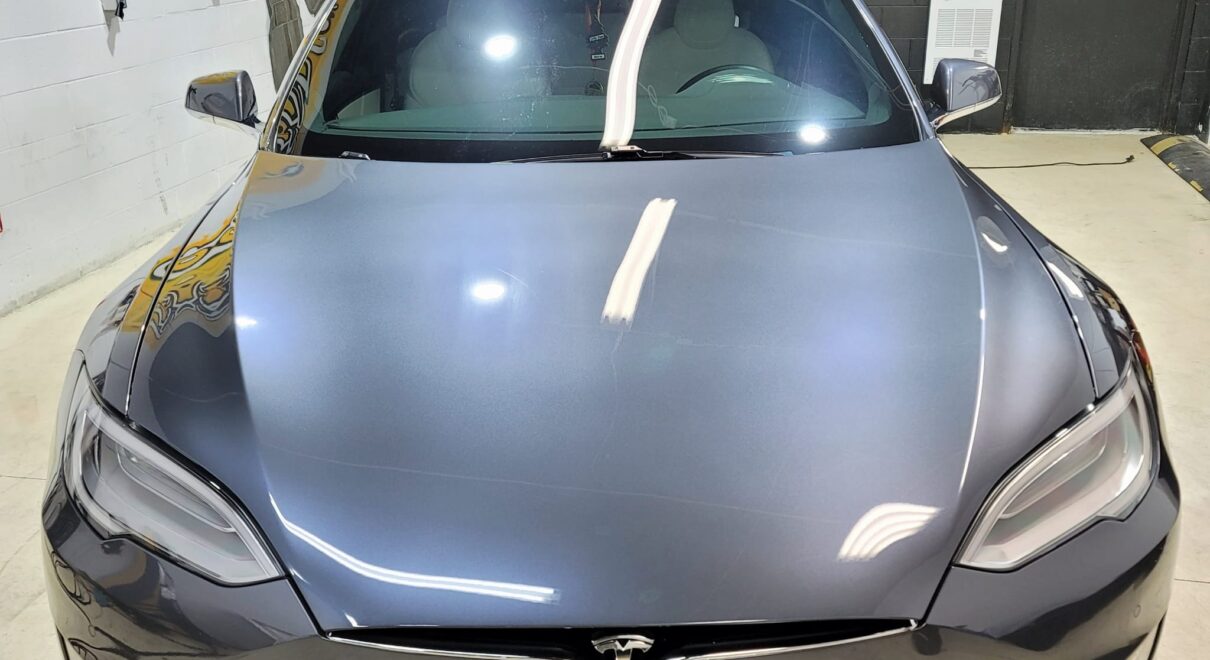
Maximize Your EV Range: How XPEL Ceramic Tint Extends Battery Life During Toronto’s Scorching Summers
Range anxiety dominates electric vehicle ownership concerns, with drivers obsessively monitoring battery percentages and calculating whether they’ll reach destinations without charging stops. While most EV owners focus on charging infrastructure and driving habits, many overlook a critical factor silently draining precious battery capacity throughout Toronto’s summer months—their vehicle’s climate control system fighting an uphill battle against solar heat gain through untinted windows. Premium ceramic window tinting represents one of the most effective yet underutilized strategies for extending EV range, reducing charging frequency, and preserving long-term battery health through dramatically reduced air conditioning demands. Understanding how professional-grade window films affect energy consumption reveals why summer EV range improvements of 10-15% are achievable through this single strategic modification.
The Hidden Energy Cost of Summer Driving
Air conditioning systems in electric vehicles consume substantial power that directly reduces available driving range. Unlike conventional vehicles where AC draws from engine-driven compressors with negligible fuel economy impact, EVs must allocate battery capacity to climate control, creating direct competition between comfort and range.
A typical EV air conditioning system consumes 2-4 kW continuously during hot weather operation. For perspective, a Tesla Model 3 Long Range with 75 kWh battery capacity dedicates 5-6% of total energy storage to climate control during a one-hour summer drive. This translates to approximately 25-30 kilometers of range sacrificed purely for cabin cooling during Toronto’s peak summer conditions.
Toronto summer temperatures regularly exceed 30°C, with humidity creating heat index values approaching 40°C that make air conditioning essential rather than optional. Interior vehicle temperatures in direct sunlight can reach 70°C within 20 minutes, requiring massive cooling capacity to achieve comfortable cabin conditions.
The greenhouse effect that untinted vehicle windows create amplifies solar heating beyond ambient temperature. Glass transmits visible light efficiently while trapping infrared radiation, creating the oven-like conditions familiar to anyone returning to a sun-parked vehicle during Toronto’s July and August afternoons.
Reducing these extreme temperature conditions through effective heat rejection at the window glass level prevents the solar energy from entering the cabin, dramatically reducing the cooling load that air conditioning systems must overcome. This fundamental approach proves far more efficient than allowing heat entry and then consuming battery power to remove it.
Understanding Ceramic Tinting Technology
Modern ceramic window films represent technological leaps beyond the dyed and metallic films that earlier generations used. These advanced materials incorporate nano-ceramic particles engineered to selectively block infrared radiation while maintaining visible light transmission that satisfies legal requirements and driver visibility needs.
Window tinting services using XPEL XR ceramic films provide exceptional infrared rejection blocking up to 98% of heat-causing radiation. This selective filtering allows visible light transmission for clear visibility while preventing the infrared wavelengths responsible for solar heating from entering the cabin.
The non-metallic construction of ceramic films eliminates the electronic interference that metallic tints create with GPS, cellular signals, and radio reception. This characteristic proves particularly important for EVs where navigation systems, connectivity features, and over-the-air software updates represent essential functionality rather than optional convenience.
Optical clarity distinguishes premium ceramic films from budget alternatives that may appear hazy or create color distortion affecting visibility. XPEL XR maintains exceptional clarity throughout its lifespan, providing the uncompromised visibility that safe driving demands while delivering superior heat rejection performance.
The durability of quality ceramic tinting ensures long-term performance without the fading, bubbling, or degradation that inferior films experience. Professional installation with lifetime warranties provides confidence that the investment will deliver consistent performance throughout vehicle ownership.
Quantifying EV Range Improvements
Real-world testing demonstrates measurable range improvements when comparing ceramic-tinted EVs against untinted alternatives under identical summer conditions. These improvements vary based on ambient temperature, sun exposure duration, and driving patterns but consistently show significant benefits.
Highway driving during sunny conditions shows the most dramatic improvements, with ceramic tinting reducing air conditioning loads by 30-40%. This translates to approximately 15-20 additional kilometers of range on a typical 300-kilometer highway journey during peak summer conditions.
City driving with frequent stops in sun-exposed parking provides substantial benefits through reduced “soak” heating when vehicles sit in direct sunlight. Tinted vehicles maintain interior temperatures 10-15°C cooler than untinted alternatives during parking, requiring less energy for cabin cooling when driving resumes.
The cumulative annual energy savings from reduced air conditioning operation totals approximately 200-300 kWh for typical Toronto area EV usage patterns. At current electricity rates, this represents $30-40 in direct charging cost savings, though the true value extends far beyond immediate energy expenses.
Battery Longevity and Thermal Management
Beyond immediate range improvements, ceramic tinting contributes to long-term battery health through reduced thermal stress on battery management systems. EV batteries operate optimally within specific temperature ranges, with performance and longevity degrading when operating outside these parameters.
Extreme cabin heat creates additional thermal load on battery cooling systems responsible for maintaining optimal battery temperatures. Reducing this external heat source allows battery thermal management to operate more efficiently, preserving capacity and extending battery lifespan.
Battery degradation accelerates with thermal stress, with each degree of average temperature increase correlating to measurable capacity loss over time. The 10-15°C cabin temperature reduction that ceramic tinting provides translates to reduced battery temperature stress throughout ownership.
Ceramic coating services for exterior surfaces complement window tinting by reducing heat absorption into body panels. This comprehensive thermal management approach addresses all heat sources affecting cabin and battery temperatures.
Enhanced Comfort and Reduced Driver Fatigue
The immediate comfort improvements that ceramic tinting provides affect driving safety through reduced heat-related fatigue and distraction. Excessive cabin temperatures increase driver stress levels, reduce alertness, and contribute to the fatigue that impairs judgment and reaction times.
Glare reduction from quality tinting improves visibility of dashboard displays and touchscreens that modern EVs incorporate extensively. The intense glare that untinted windows allow can wash out display visibility, forcing drivers to divert attention from road monitoring to screen viewing, creating dangerous distraction situations.
UV protection prevents skin damage during extended driving exposure. The cumulative UV exposure during daily commuting represents significant skin cancer risk that quality ceramic films mitigate through 99% UV blocking properties.
The consistent comfortable temperatures that tinting maintains reduce passenger complaints and family conflict about climate control settings. This secondary benefit enhances the overall EV ownership experience while supporting the domestic harmony that makes family vehicle journeys pleasant rather than contentious.
Ontario Legal Compliance and Installation Considerations
Ontario window tinting regulations specify minimum visible light transmission percentages ensuring driver visibility and law enforcement interaction safety. Front side windows must allow at least 70% light transmission, while rear windows face no restrictions for passenger vehicles.
Professional installers understand these regulations and ensure compliance while maximizing heat rejection within legal parameters. Professional detailing services include consultation about optimal tinting configurations balancing legal compliance, heat rejection, and aesthetic preferences.
Windshield tinting faces strict limitations in Ontario, with only minimal strips allowed above the AS-1 line marked on the glass. However, specialized windshield films designed for full coverage in jurisdictions where legal provide substantial heat rejection if owners accept potential legal complications.
The installation process requires 2-3 hours for complete vehicle tinting, with curing periods of 3-5 days during which windows should remain closed. Professional facilities provide controlled environments ensuring optimal installation conditions that maximize film adhesion and longevity.
Cost-Benefit Analysis for EV Owners
XPEL ceramic tinting investment ranges from $400-800 depending on vehicle size and selected film specifications. This one-time investment delivers returns throughout vehicle ownership through energy savings, battery preservation, and enhanced comfort.
The 200-300 kWh annual energy savings translates to $30-40 yearly at current electricity rates, providing 10-15 year payback periods based solely on energy cost recovery. However, the true value includes battery longevity, comfort improvements, and resale value enhancement that financial analysis cannot easily quantify.
Battery replacement costs for EVs range from $5,000-$15,000 depending on capacity and vehicle model. Any service extending battery lifespan provides exceptional value through delayed replacement needs, with ceramic tinting representing one of multiple strategies supporting optimal battery health.
Enhanced resale value from well-maintained EVs with documented premium accessories includes window tinting among the features that discriminating buyers appreciate. The visible evidence of quality care that tinting represents signals overall vehicle maintenance standards that buyers recognize and value.
Integration with Comprehensive EV Care
Window tinting represents one component of comprehensive EV protection strategies addressing all aspects of vehicle maintenance and preservation. Paint protection film prevents the body damage that expensive EV components make particularly costly to repair.
The silent operation of EVs makes interior noise more noticeable, increasing the value of sound-deadening treatments and quality materials that window films can complement. The thermal insulation that tinting provides also contributes to reduced cabin noise from air conditioning operation.
Exterior protection through ceramic coatings and PPF maintains the aerodynamic efficiency crucial for EV range optimization. Contamination and damage that degrades smooth surfaces increases aerodynamic drag that forces batteries to work harder maintaining highway speeds.
Maintenance and Long-term Performance
Quality ceramic films require minimal maintenance beyond normal window cleaning using appropriate products. Ammonia-free cleaners prevent film damage while maintaining optical clarity throughout the tinting’s lifespan.
The lifetime warranties that professional installations provide ensure any defects or failures receive correction without additional cost. This warranty coverage proves particularly valuable for the premium investment that quality ceramic tinting represents.
XPEL ceramic window tinting delivers measurable EV range improvements while enhancing comfort, protecting interiors, and contributing to long-term battery health. The technology addresses fundamental thermal management principles through preventing solar heat gain rather than consuming battery power to remove unwanted heat after entry.
For Toronto EV owners seeking to maximize range, reduce charging frequency, and enhance driving comfort during summer months, professional ceramic tinting represents one of the most cost-effective modifications available. The investment delivers immediate benefits while providing long-term value throughout ownership.
Professional installation ensures optimal results while maintaining legal compliance and warranty protection that DIY attempts cannot provide.
Visit us on Facebook at our Facebook Link and our Instagram Link. Left Lane Customs Inc.