


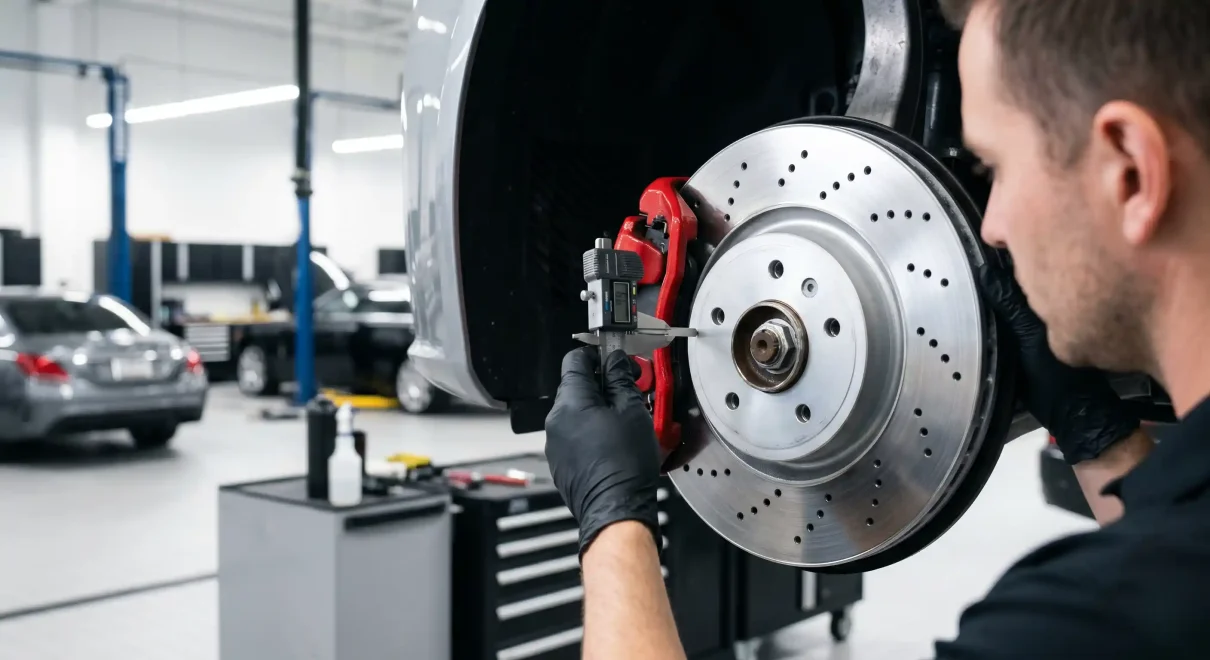
Don’t Wait for the Grind: Proactive Brake Maintenance Every Toronto Driver Needs
That ominous grinding sound when you press the brake pedal represents the moment too many Toronto drivers finally address their braking system—long after preventable damage has occurred and safety has been compromised. Proactive brake maintenance transforms this reactive, expensive, and dangerous approach into a strategic safety advantage that protects you, your passengers, and your investment. Toronto’s demanding driving environment, featuring relentless stop-and-go traffic, corrosive winter road salt, dramatic temperature fluctuations, and pothole-ravaged roads, accelerates brake system wear beyond what drivers in gentler climates experience. Understanding proper brake maintenance, recognizing the value of professional inspection, and implementing protective strategies ensures your braking system delivers reliable stopping power throughout every season while avoiding the costly emergency repairs that neglect inevitably creates.
Understanding Why Brake Maintenance Matters
Your braking system performs the most safety-critical function of any vehicle component, converting your moving vehicle’s kinetic energy into heat through friction that brings tons of metal safely to rest. This demanding process subjects components to extreme stress, heat cycling, and wear that proper maintenance manages while neglect allows to progress toward dangerous failure.
The interconnected nature of braking components means that neglecting one element accelerates wear throughout the system. Worn brake pads allowed to grind against rotors transform an inexpensive pad replacement into costly rotor resurfacing or replacement. Contaminated brake fluid corrodes calipers while reducing stopping effectiveness, creating cascading damage that proactive maintenance prevents.
Toronto’s stop-and-go traffic patterns subject brake systems to far more frequent application cycles than highway-dominant driving creates. Each stop generates heat and wear, with rush-hour commuting on congested routes like the 401, DVP, and Gardiner Expressway demanding thousands of brake applications that accelerate component wear beyond typical patterns.
The safety implications of brake maintenance extend beyond your own vehicle to everyone sharing Toronto’s roads. Reliable braking prevents the collisions that endanger pedestrians, cyclists, and other motorists while protecting your passengers and yourself from the consequences of brake failure during critical moments.
The High Cost of Reactive Maintenance
Waiting until brake problems become impossible to ignore creates expenses and dangers that proactive maintenance easily prevents. Understanding these consequences motivates the regular attention that brake systems deserve.
Brake pad neglect resulting in metal-to-metal grinding destroys rotors that proper pad replacement would have preserved. This transforms a $200-300 pad replacement into $600-1000 rotor and pad replacement, tripling costs through procrastination that provided no benefit while compromising safety throughout the delay period.
Brake fluid neglect allows moisture absorption that corrodes expensive caliper and ABS components from within. The hygroscopic nature of brake fluid means it continuously absorbs atmospheric moisture, gradually reducing its boiling point until brake fade during demanding stops creates dangerous situations. Replacing contaminated fluid costs far less than the component damage that neglect creates.
Emergency brake repairs disrupt schedules and create stress that planned maintenance avoids. Discovering brake failure during a busy morning commute creates dangerous situations while forcing inconvenient emergency repairs at premium prices, compared to the convenience and savings of scheduled professional service.
The accident risk that compromised braking creates represents the most serious consequence of reactive maintenance. A single collision resulting from inadequate stopping power creates costs including vehicle damage, potential injuries, insurance premium increases, and legal complications that dwarf any maintenance investment.
Essential Brake Maintenance Schedule
Establishing systematic brake maintenance schedules ensures components receive attention before wear compromises safety. Several maintenance intervals deserve consideration based on Toronto’s demanding conditions.
Brake pad inspection should occur every 10,000-15,000 kilometers or at least twice annually, with Toronto’s stop-and-go driving justifying more frequent attention. Professional inspection measures remaining pad material while assessing wear patterns that reveal developing problems requiring intervention.
Brake fluid testing and replacement typically follows 2-3 year intervals, though Toronto’s humidity and temperature extremes may justify more frequent service. Professional testing measures moisture content and boiling point, determining whether fluid replacement is needed to maintain optimal braking performance and component protection.
Rotor inspection during pad service evaluates thickness, surface condition, and runout that affects braking smoothness and effectiveness. Professional assessment determines whether rotors can continue service, require resurfacing, or need replacement to maintain optimal performance.
Complete brake system inspection annually provides comprehensive evaluation identifying developing issues throughout the system. This thorough assessment examines pads, rotors, calipers, fluid, lines, and hardware that collectively determine braking safety and performance.
Toronto’s Seasonal Brake Challenges
Toronto’s distinct seasons create specific brake maintenance challenges requiring adapted attention throughout the year. Understanding these seasonal factors helps prioritize appropriate care.
Winter road salt creates the most aggressive corrosion environment that brake components face. Salt accelerates rust formation on rotors, corrodes caliper components, and attacks brake lines that can fail catastrophically when corrosion compromises their integrity. Post-winter inspection identifies salt damage requiring attention before it progresses.
Professional detailing services include thorough brake area cleaning that removes the corrosive salt and brake dust accumulation that winter driving creates. Regular professional cleaning prevents the accelerated corrosion that contamination buildup causes when allowed to remain on components throughout the season.
Spring brake service addresses the damage that winter’s harsh conditions create while preparing systems for increased driving activity. This seasonal attention identifies salt corrosion, assesses winter wear, and ensures optimal performance for spring and summer driving demands.
Temperature fluctuations create thermal stress that affects rotor stability and brake fluid moisture absorption. Toronto’s dramatic temperature swings between seasons stress components through repeated expansion and contraction cycles that proper maintenance manages.
Protecting Brake Components Through Professional Care
Protecting brake components from Toronto’s corrosive environment extends component life while maintaining optimal performance. Several professional strategies address the specific threats local conditions create.
Ceramic coating services for wheels create protective barriers that simplify brake dust removal while preventing the contamination bonding that occurs during normal operation. Protected wheels resist the corrosion that road salt creates while maintaining the cleanliness that enables effective brake component inspection.
Wheel cleaning that removes accumulated brake dust prevents the corrosive iron particles from bonding to surfaces and components. Regular professional cleaning maintains the clean conditions that enable thorough visual inspection while preventing contamination that accelerates wear and corrosion.
High-quality brake fluid maintenance prevents the moisture absorption that reduces braking effectiveness while accelerating internal corrosion. Professional service ensures appropriate fluid specification and complete system bleeding that eliminates contaminated fluid and trapped air.
Brake hardware lubrication during professional service ensures free movement of caliper slides, pad hardware, and adjustment mechanisms. Proper lubrication prevents the binding and seizure that uneven wear and reduced braking effectiveness create.
The Connection Between Wheels and Brake Health
Wheel condition directly affects brake system performance and longevity, creating connections that comprehensive vehicle care addresses. Understanding these relationships maximizes both safety and component lifespan.
Clean wheels enable the visual brake inspection that identifies developing problems before they compromise safety. Brake dust and road grime accumulation obscures the components that require monitoring, making regular cleaning essential for effective maintenance.
Paint protection film on lower body panels adjacent to wheels prevents the brake dust and debris damage that braking creates. PPF provides sacrificial protection allowing contamination removal without risking paint damage while maintaining the appearance that complements properly maintained braking systems.
Wheel finish protection through ceramic coating prevents the corrosion that affects both appearance and the brake components housed within wheels. Protected wheels maintain optimal conditions while simplifying the cleaning that brake inspection and maintenance requires.
Recognizing When Professional Service Is Needed
Understanding warning signs that indicate brake service needs enables timely intervention before problems compromise safety. Several indicators deserve immediate professional attention.
Squealing during braking typically indicates worn pad wear indicators providing deliberate warning before damage occurs. This designed alert system signals appropriate timing for pad replacement before grinding causes rotor damage.
Grinding sounds indicate complete pad wear allowing metal-to-metal contact requiring immediate attention. Continued driving with grinding brakes destroys rotors while dramatically reducing stopping effectiveness, creating dangerous situations demanding urgent service.
Pedal pulsation or vibration suggests rotor warping affecting braking smoothness and consistency. Professional assessment determines whether resurfacing or replacement addresses the warping that thermal stress or uneven wear creates.
Soft or sinking brake pedal indicates fluid problems or system leaks requiring immediate professional diagnosis. This serious symptom suggests potential brake failure risk demanding urgent attention before complete failure occurs.
Window Tinting and Brake Light Visibility
Window tinting services using quality XPEL films maintain appropriate rear window visibility ensuring your brake lights communicate effectively with following drivers. Professional installation ensures legal compliance while the enhanced visibility of properly maintained brake lights provides crucial safety communication.
The glare reduction that quality tinting provides helps drivers maintain clear visibility of brake lights on vehicles ahead, enabling appropriate response timing. This visibility advantage complements proper brake maintenance in creating comprehensive safety throughout Toronto’s challenging driving conditions.
Building a Professional Service Relationship
Establishing relationships with professional service providers ensures consistent brake maintenance that protects safety and investment. Regular service creates familiarity that enables personalized attention and proactive recommendations.
Professional expertise identifies developing issues that visual inspection cannot reveal, providing the early intervention that prevents minor problems from becoming major safety concerns. This proactive approach maximizes safety while minimizing repair costs.
Documentation of professional brake service creates valuable records supporting warranty claims and demonstrating responsible maintenance for resale purposes. Comprehensive service history enhances vehicle value while providing evidence of the safety-focused care that maintained optimal braking performance.
Proactive brake maintenance represents essential safety investment that every Toronto driver should prioritize. The dramatic consequences of brake failure make prevention far preferable to the dangerous and expensive reactive approach that grinding brakes and emergency repairs represent.
Toronto’s demanding driving environment requires the regular professional attention that brake systems deserve. Integrating brake maintenance with comprehensive vehicle protection creates the complete care approach that maximizes both safety and value preservation throughout ownership.
For Toronto drivers committed to safety, proactive brake maintenance combined with professional vehicle care delivers the reliable stopping power that every journey demands while avoiding the costs and dangers that neglect inevitably creates.
Visit us on Facebook at our Facebook Link and our Instagram Link. Left Lane Customs Inc.